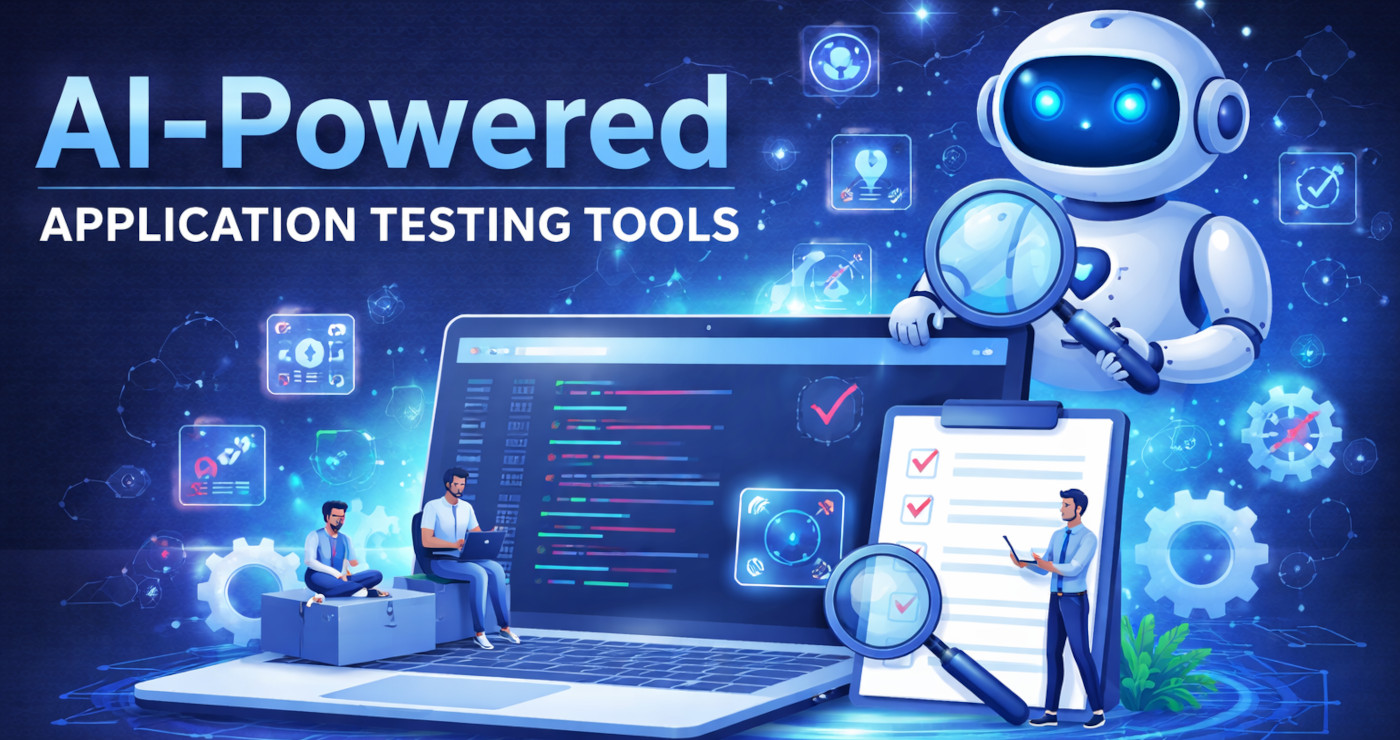
AI adoption creates a broader security surface than conventional AppSec was designed to cover.

As organizations operationalize AI, security teams need visibility into code, dependencies, data provenance, model behavior, infrastructure posture, compliance mapping, and deployment history. The supporting tools now span that full lifecycle.

Why This Matters

Artificial intelligence has rapidly matured from proof of concept to operational dependency. Organizations now use AI to automate decisions, improve productivity, optimize processes, and personalize customer experiences.

That adoption also introduces a risk profile that traditional application security programs were not built to manage. AI systems are probabilistic, data-driven, and shaped by training inputs, model artifacts, deployment contexts, and post-deployment interactions, not just by source code alone.

AI security testing platforms exist to extend conventional AppSec with AI-specific coverage so leaders can scale innovation without losing control of governance, resilience, or risk exposure.

What Security Leaders Need

Code
And models
Data
And lineage
Risk
And compliance
Speed
Without drift
AI lifecycle Governance Compliance AppSec

Key Terms

AI (Artificial Intelligence): Computer systems designed to perform tasks that normally require human intelligence, such as learning, reasoning, prediction, and decision-making.

AppSec (Application Security): The practice of identifying, fixing, and preventing security vulnerabilities within software applications.

DAST (Dynamic Application Security Testing): Security testing performed on a running application to identify vulnerabilities during execution.

SAST (Static Application Security Testing): Security analysis of source code without executing it, used to identify vulnerabilities early in development.

SCA (Software Composition Analysis): Analysis of third-party libraries and open-source dependencies to identify known vulnerabilities and license risks.

SDLC (Software Development Life Cycle): The structured process for designing, developing, testing, deploying, and maintaining software.

Zero Trust: A security model that assumes no user, system, or workload is trusted by default and requires continuous verification.
Vulnerability Detection Across the AI Stack

AI security testing platforms now operate across source code, dependencies, infrastructure, data pipelines, and deployed models. Static and dynamic analysis still matter, but they are no longer enough by themselves.

Teams need visibility into weak or misused cryptography in model pipelines, insecure cloud configurations used for training or inference, leaked credentials in notebooks or config files, and unsafe serialization mechanisms that could allow model tampering.

Stronger enterprise platforms also add context. They combine vulnerability results with threat intelligence, exploit maturity, and environmental exposure so teams can prioritize what carries real business risk instead of treating every issue as equally urgent.

  • Cover the full AI lifecycle, not only application code.
  • Prioritize issues using business context, not raw alert volume.
  • Reduce risk systematically without slowing every AI initiative.

Need an AI Security Review Before Scaling Deployment?

FAMRO helps teams assess AI-built systems, review architecture and controls, map governance gaps, and prioritize practical remediation before risk turns into operational drag.

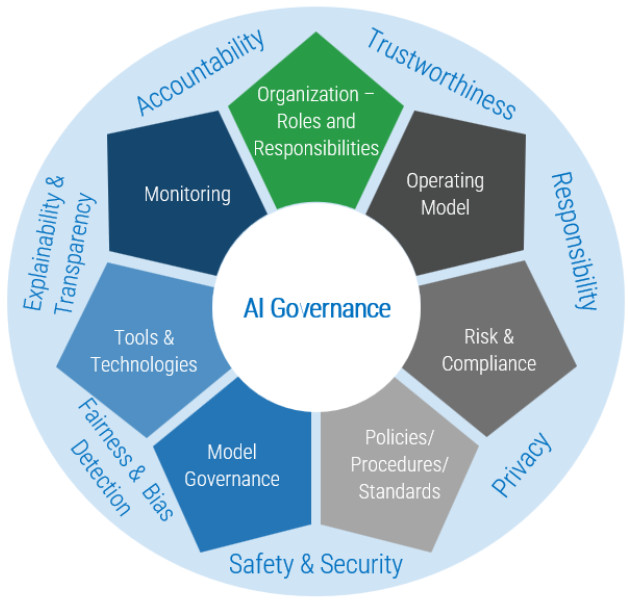
Compliance and Governance as Core Capabilities

As AI regulation matures, compliance becomes a direct driver of AI security investment. Leading platforms now link testing and remediation activity to standards such as the EU AI Act and the NIST AI Risk Management Framework.

That linkage creates traceable coverage, clearer audit evidence, and much less manual effort when preparing for internal reviews, customer diligence, or regulatory questions.

Lifecycle governance matters just as much. Security leaders increasingly need visibility into model lineage, data provenance, configuration drift, and deployment history so AI risk can be managed proactively across a portfolio.

Security Platform Options

Enterprise-centric platforms

Veracode: A broad AppSec platform covering SAST, DAST, SCA, and infrastructure code scanning, with stronger governance and policy controls for regulated environments.

OpenText Fortify: A mature enterprise platform focused on SDLC integration, centralized risk management, and large-scale security program visibility.

Developer-first platforms for fast-moving teams

GitHub Advanced Security: Adds code scanning, CodeQL, Copilot Autofix, and organization-level security review features inside existing GitHub workflows.

GitLab Ultimate: Provides SAST, compliance frameworks, and vulnerability management directly in the development pipeline.

Mend: Focuses on SCA and SAST with automated remediation guidance across a large dependency and tooling surface.

Semgrep: Offers AI-assisted SAST, SCA, and secrets detection for teams that want faster developer remediation cycles.

Automated and AI-assisted testing alternatives

Detectify: Emphasizes continuous external attack surface monitoring from an attacker-perspective lens.

HackerOne: Combines human expertise with AI assistance for adversarial testing, code and integration review, and compliance-oriented reporting.

Cymulate: Uses breach-and-attack simulation and automated red-teaming to validate defenses before attackers exploit gaps.

Decision Framework: Aligning Tools With Enterprise Reality

The right AI security stack depends on organizational maturity, regulatory burden, and delivery speed. Highly regulated environments may prefer full-suite platforms with strong governance, while rapid product teams may favor tools embedded directly into CI/CD and review workflows.

Most enterprises end up hybrid. Fast automated coverage is useful, but high-risk AI systems still need deeper analysis, stronger control mapping, and clearer ownership across engineering, security, and compliance functions.

The goal is not to buy every security tool available. It is to assemble a control system that matches the actual business risk, operational pace, and governance obligations of the organization.

Turning AI Security Into a Competitive Advantage

As enterprises scale AI, the question is no longer whether AI systems should be secured, but how quickly security controls can become operational. Many organizations understand the frameworks and risks conceptually yet still struggle to turn them into execution.

FAMRO supports that transition by helping organizations design practical AI security and governance strategies, rapidly assess and remediate gaps, align controls with enterprise risk and compliance objectives, and move quickly without breaking innovation momentum.

  • Design practical and scalable AI security strategies.
  • Assess control gaps across code, infrastructure, and model workflows.
  • Operationalize remediation without slowing delivery unnecessarily.
  • Improve AI assurance for customers, regulators, and internal stakeholders.

Frequently Asked Questions About AI Application Security Tools

Because AI systems introduce risks tied to training data, model artifacts, inference behavior, data provenance, and deployment context that are not fully visible through source-code analysis alone.
They should cover dependencies, infrastructure, model pipelines, credentials exposure, unsafe serialization, governance records, deployment history, and relevant compliance mappings.
Regulated organizations often prioritize governance-heavy suites, while faster-moving product teams may favor CI/CD-native tools. Many enterprises ultimately use a hybrid stack.
Because traceability, audit evidence, model lineage, and compliance reporting are now essential for regulatory readiness, internal risk management, and customer trust.